
NEWS & INSIGHTS
The latest industry insights & news from CCSI, Specialists in Establishing Contact Centers in Mexico for Debt Collection, Customer Service, Sales, BPO and more.

NEWS & INSIGHTS
The latest industry insights & news from CCSI, Specialists in Establishing Contact Centers in Mexico for Debt Collection, Customer Service, Sales, BPO and more.
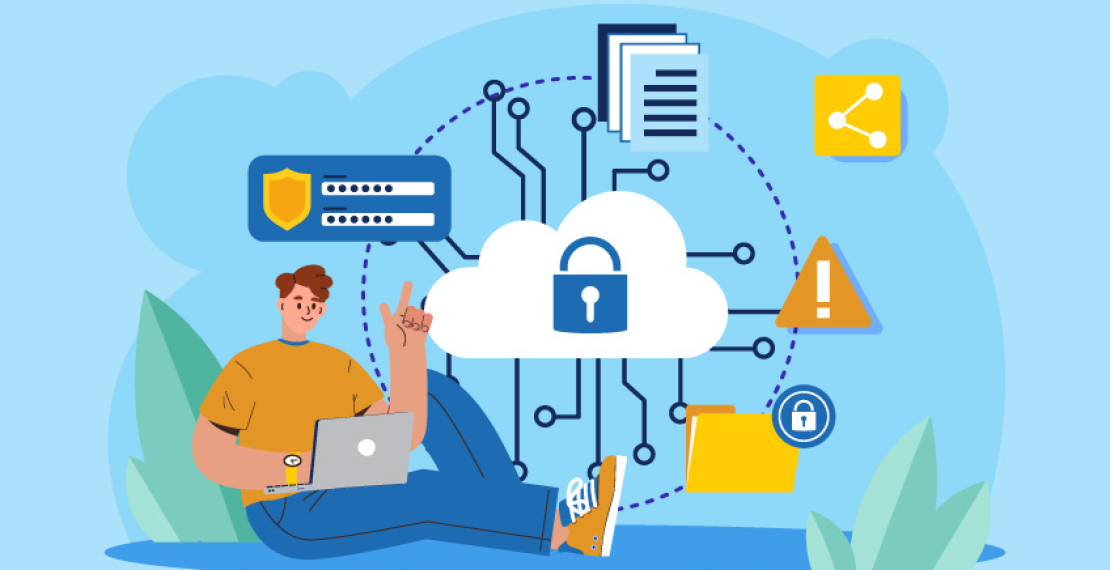
Cybersecurity is a critical responsibility for Business Process Outsourcing (BPO) providers because outsourced teams may access customer information, business systems, payment data, healthcare information, or other sensitive resources as part of their daily operations. Strong information security practices help organizations reduce risk, protect client environments, and support applicable compliance requirements.
Companies should make sure their outsourcing partners maintain appropriate security policies, technical controls, employee training, monitoring, and risk-management practices. Security should not be treated as a one-time project; technology, vulnerabilities, business processes, and threats continue to change.
BPO providers deserve particular attention because their employees may interact directly with client platforms and sensitive information. The appropriate controls will vary according to the operation, industry, systems, data being accessed, and regulatory requirements.
Organizations should regularly evaluate their systems and infrastructure for vulnerabilities rather than waiting for a security incident to expose a weakness.
Depending on the environment, this may include vulnerability scanning, penetration testing, configuration reviews, security assessments, and other methods designed to identify weaknesses before they can be exploited.
Testing should be followed by documented remediation. Identifying a vulnerability provides little value if the organization does not prioritize, correct, and verify the issue afterward.
BPO providers should maintain a formal cybersecurity strategy based on the risks associated with their systems, workforce, clients, and information.
A proactive program can include risk assessments, defined security policies, monitoring, threat detection, access management, incident-response procedures, employee awareness, and clear responsibility for security decisions.
The objective is to identify and manage risk continuously instead of treating cybersecurity only as a response to incidents after they occur.
Firewalls remain important, but modern information security requires multiple layers of protection.
Organizations should evaluate controls such as endpoint protection, malware detection, network segmentation, intrusion detection and prevention, identity and access management, secure configuration, vulnerability management, and timely security updates.
Monitoring is also important. Security tools should help organizations identify suspicious activity and provide teams with the information necessary to investigate potential threats.
Security controls should be reviewed periodically to determine whether they remain effective and whether policies and procedures are actually being followed.
Internal assessments, external audits, compliance reviews, vulnerability assessments, and risk assessments can provide different perspectives on an organization's security posture.
Findings should be documented, assigned to responsible teams, prioritized according to risk, and followed through to remediation.
Information security requires ongoing technical and organizational expertise. BPO providers should have qualified personnel responsible for security governance, monitoring, vulnerability management, compliance, incident response, and continuous improvement.
The exact structure will depend on the size and complexity of the organization. Security responsibilities may involve internal specialists, external security partners, managed services, or a combination of resources.
More important than the organizational structure is ensuring that security responsibilities are clearly assigned and that potential vulnerabilities and incidents receive timely attention.
Sensitive information should be protected appropriately when it is transmitted and, where applicable, when it is stored.
Encryption can help reduce the risk that information will be readable or usable if communications, devices, systems, or data are accessed by an unauthorized party.
Encryption should be implemented as part of a broader security architecture that also considers access controls, authentication, system configuration, data handling, and the requirements of the specific client operation.
Secure communications require more than encryption alone. Organizations should also control who can access systems, from which environments, and under what conditions.
Depending on the operation, this can include secure remote-access methods, Multi-Factor Authentication (MFA), identity and access management, least-privilege access, network segmentation, firewalling, and monitoring of access activity.
Access should be based on business need and reviewed as employee roles, client assignments, or responsibilities change.
Technical controls are only one part of information security. BPO providers should also understand which security and compliance requirements apply to the industries and information they support.
Relevant frameworks may include SOC 2, PCI DSS, ISO/IEC 27001, HIPAA requirements, and other client-specific or regulatory obligations.
These standards and frameworks serve different purposes. For example, ISO/IEC 27001 focuses on establishing and maintaining an Information Security Management System, while PCI DSS addresses the protection of payment card information. HIPAA requirements may apply when an organization operates as a covered entity or business associate handling protected health information.
Organizations should therefore evaluate a BPO provider's security posture according to the actual requirements of their operation instead of relying on a single certification or compliance label.
Cybersecurity cannot be addressed by installing a firewall or completing an audit once a year. Effective information security requires an ongoing combination of people, processes, technology, monitoring, governance, and employee awareness.
When selecting a BPO provider, organizations should ask how security is managed day to day, how access is controlled, how vulnerabilities are identified and remediated, how employees are trained, how incidents are handled, and what independent assessments or compliance frameworks support the provider's security program.
For organizations outsourcing customer-facing or back-office processes, these questions should be part of the vendor-selection process from the beginning.
Call Center Services International (CCSI) helps U.S. organizations establish and manage secure Nearshore BPO and Contact Center operations in Mexico, combining professional workforce solutions with technology infrastructure, operational support, and information security controls.
CCSI's current security program incorporates SOC 2, PCI DSS, ISO/IEC 27001 certification, and HIPAA compliance, together with controls including centralized security monitoring, endpoint protection, identity and access management, network segmentation, encryption, Multi-Factor Authentication, vulnerability management, and security testing.
CCSI also maintains employee security-awareness programs, secure onboarding and access-management practices, incident-response capabilities, and formal risk-management processes designed to support organizations operating in regulated and security-sensitive industries.
Historical note: First published in March 2023, this article has been reviewed and updated while preserving its original seven information security practices for BPO providers. References to CCSI's security framework have been updated to reflect its current cybersecurity program. ISO/IEC 20000-1, which appeared in the original article, is an IT Service Management standard and is no longer presented here as an information security certification; ISO/IEC 27001 is the applicable information security management standard. HIPAA terminology has also been maintained as compliance rather than certification.
Originally published: March 9, 2023
Last reviewed and updated: July 25, 2026



The latest industry insights & news from CCSI, Specialists in Establishing Contact Centers in Mexico for Debt Collection, Customer Service, Sales, BPO and more.