

NEWS & INSIGHTS
The latest industry insights & news from CCSI, Specialists in Establishing Contact Centers in Mexico for Debt Collection, Customer Service, Sales, BPO and more.

NEWS & INSIGHTS
The latest industry insights & news from CCSI, Specialists in Establishing Contact Centers in Mexico for Debt Collection, Customer Service, Sales, BPO and more.
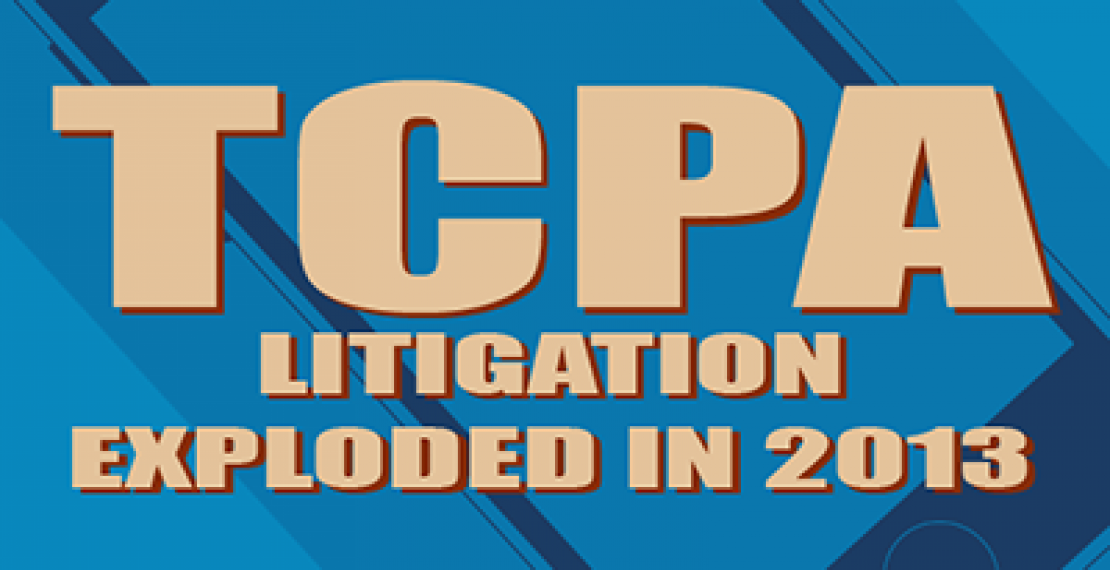
The Telephone Consumer Protection Act (TCPA) continues to be one of the most important federal laws affecting organizations that communicate with consumers by telephone or text message. For contact centers, understanding consent, calling technology, opt-out requests, and communication practices is an essential part of managing outbound campaigns responsibly.
Originally enacted in 1991, the TCPA was designed to protect consumers from certain unwanted telephone communications. Over time, its application has expanded and evolved as communication technology has changed and consumers increasingly use mobile phones and text messaging.
For businesses operating outbound contact center programs, TCPA compliance can affect marketing campaigns, customer communications, collections, sales, appointment reminders, notifications, and other activities involving calls or text messages.
TCPA compliance should be considered when designing a contact strategy—not after calls or text messages have already been launched.
The Telephone Consumer Protection Act regulates certain telephone calls and text messages, including communications involving automatic telephone dialing systems and artificial or prerecorded voices.
Different requirements can apply depending on the technology being used, the telephone number being contacted, the purpose of the communication, and whether the consumer has provided the appropriate consent.
Telemarketing and advertising communications can be subject to stricter consent requirements than certain informational communications. Organizations should therefore understand the purpose of each campaign and the rules applicable to that type of contact.
The TCPA provides consumers with a private right of action for certain violations. Statutory damages can be $500 per violation, and courts may increase damages for willful or knowing violations.
Because campaigns can involve large numbers of calls or messages, repeated violations can create substantial financial exposure.
The scale of a contact center makes compliance particularly important. A process error affecting thousands of calls or messages can multiply the potential impact of a single compliance problem.
Consent is one of the most important elements of TCPA compliance. The type of consent required depends on the communication and the technology involved.
For certain telemarketing robocalls and robotexts, FCC rules require prior express written consent. Organizations should maintain reliable records showing when and how consent was obtained and what communications the consumer agreed to receive.
Consent management should therefore be incorporated into lead generation, CRM systems, campaign workflows, and agent procedures.
Companies should also avoid assuming that a telephone number appearing in a customer database automatically provides permission for every type of outbound communication.
The technology used to contact consumers matters, but TCPA compliance cannot be reduced to a simple rule such as avoiding predictive dialers.
Court decisions and FCC rules have shaped how terms such as automatic telephone dialing system (ATDS) are interpreted. Organizations should evaluate the specific capabilities and configuration of their dialing technology rather than relying solely on the product name used by a software vendor.
Artificial or prerecorded voice messages also remain an important area of TCPA regulation, and organizations need to understand the applicable consent requirements before using these technologies.
Changing dialing technology alone does not automatically create a compliant campaign. Organizations also need to consider consent, Do Not Call requirements, calling times, identification requirements, opt-out procedures, internal suppression lists, campaign purpose, and applicable state laws.
For this reason, technology selection should be part of a broader compliance strategy rather than treated as a substitute for one.
Consumers who previously provided consent may have the right to revoke that consent. FCC rules have increasingly emphasized making it practical for consumers to communicate that they no longer want certain robocalls or robotexts.
Contact centers should have processes for identifying and recording opt-out requests and communicating them quickly across dialing systems, CRM platforms, campaign databases, and other systems used to contact consumers.
A consumer request received by an agent should not remain isolated in a call note if another system could continue generating communications to the same person.
A strong opt-out process connects agents, databases, dialing technology, messaging platforms, and compliance teams so that consumer preferences are consistently respected.
Because FCC requirements concerning consent and revocation continue to evolve, organizations should regularly review the FCC's current robocall and robotext guidance when developing communication policies.
A well-managed contact center should approach TCPA compliance across people, processes, and technology.
Important operational considerations can include:
Agent training is particularly important because consumers may communicate requests directly during conversations. Call center agents need clear procedures for documenting these requests and escalating compliance-related situations appropriately.
Organizations operating regulated programs such as debt collection may also need to coordinate TCPA requirements with other federal and state laws governing consumer communications.
The original discussion around TCPA compliance often focused on reducing reliance on automated dialing by adding more agents. Today, the better approach is to evaluate the entire contact strategy.
A scalable workforce can still provide important advantages. More agents can allow organizations to handle customer interactions personally, manage complex conversations, respond to inbound demand, and support campaigns where human involvement is valuable.
CCSI's nearshore contact center model provides companies with access to a bilingual workforce in Mexico while maintaining close integration with U.S.-based management teams.
Depending on the program, nearshore teams can support customer service, sales, collections, order processing, back-office operations, and other business functions.
The goal should not be to replace automation simply for the sake of avoiding technology. The stronger strategy is to combine appropriate technology, trained agents, accurate consent records, and well-designed compliance processes.
Organizations evaluating outbound customer communication programs should work closely with qualified legal and compliance professionals to determine how the TCPA, FCC regulations, state laws, and other requirements apply to their specific technology and business model.
Learn more about Call Center Services International and how a nearshore contact center operation in Mexico can provide scalable agent capacity while remaining closely integrated with U.S.-based management, technology, and compliance processes.
This article provides general information about contact center operations and TCPA compliance and is not intended as legal advice. Organizations should consult qualified legal counsel regarding requirements applicable to their specific calls, text messages, technologies, industries, and jurisdictions.



The latest industry insights & news from CCSI, Specialists in Establishing Contact Centers in Mexico for Debt Collection, Customer Service, Sales, BPO and more.