

NEWS & INSIGHTS
The latest industry insights & news from CCSI, Specialists in Establishing Contact Centers in Mexico for Debt Collection, Customer Service, Sales, BPO and more.

NEWS & INSIGHTS
The latest industry insights & news from CCSI, Specialists in Establishing Contact Centers in Mexico for Debt Collection, Customer Service, Sales, BPO and more.
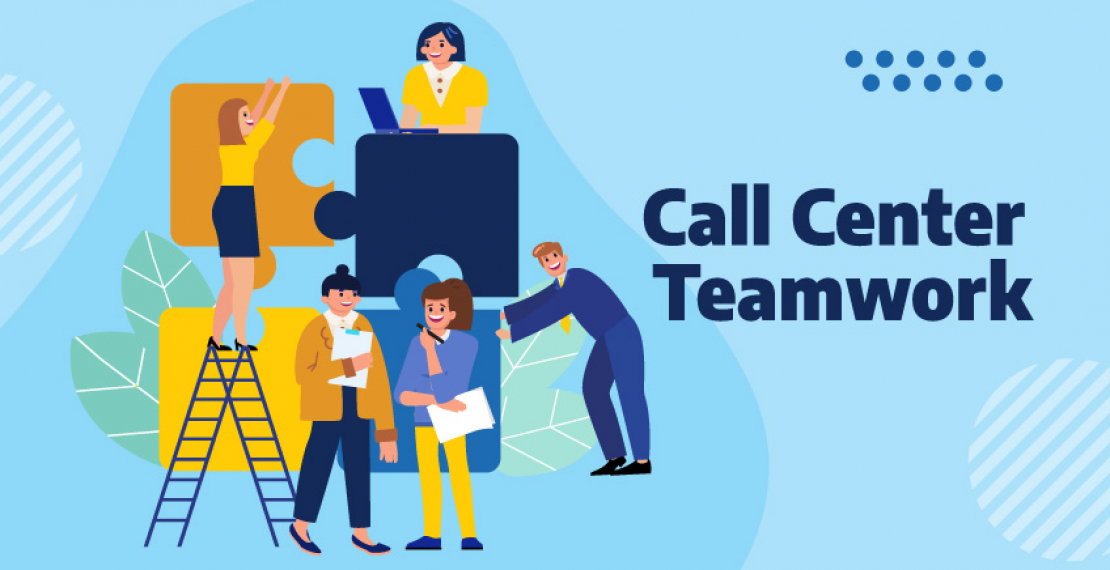
Strong teamwork is fundamental in a Contact Center because every agent contributes to a larger operation. Individual performance, communication, collaboration, and leadership can influence not only the rest of the team but also the customer experience. Creating an environment where employees support one another can help build a more consistent and productive Contact Center operation.
In a Contact Center, employees depend on one another for information, support, coaching, problem-solving, and consistent service. Managers therefore need strong team-building and communication skills, while agents need an environment that encourages collaboration and shared responsibility.
Building successful teamwork requires both experienced leadership and an engaged workforce. The following five practices can help Contact Center managers strengthen collaboration within their teams.
Strong leadership plays an important role in creating an effective team. A Contact Center manager needs decision-making, communication, organizational, and interpersonal skills to keep the operation running while supporting both customer and employee needs.
Managers should be able to create productive working relationships, establish clear expectations, resolve problems, communicate openly, and help employees understand how their individual responsibilities contribute to the team's overall performance.
Leadership should also include active listening and employee development. Managers who understand their teams can identify opportunities for coaching, recognize individual strengths, and help employees grow into additional responsibilities or future leadership positions.
Communication is a key factor in successful teamwork. When appropriate, managers should bring their teams together to discuss customer issues, operational challenges, potential solutions, performance objectives, and lessons that can benefit the entire group.
Team meetings should have a clear purpose. Rather than meeting simply because a meeting is scheduled, use the time to exchange useful information, resolve recurring problems, recognize accomplishments, and make sure employees understand current priorities.
Managers should also encourage participation. Giving agents opportunities to contribute ideas and share what they are experiencing can strengthen communication and help leadership identify issues that may not be visible through performance reports alone.
Managers do not need to solve every problem alone. Delegating appropriate responsibilities to experienced agents, Team Leads, or other capable employees can create additional support within the operation.
Employees who have demonstrated strong performance and communication skills may be able to assist colleagues with questions, coaching, processes, or other day-to-day challenges.
Providing these opportunities can also contribute to employee development. Agents who demonstrate an interest in helping others may eventually become candidates for Team Lead, Supervisor, Quality Assurance, training, or other leadership positions.
Creating opportunities for employees to grow from within is also an important part of a strong company culture.
Recognition can help employees feel valued and reinforce successful behaviors. Individual performance should be acknowledged, but team-based goals can also encourage employees to collaborate and support one another.
When every incentive is based only on individual performance, employees may naturally focus primarily on their own metrics. Incorporating shared objectives can reinforce the idea that the team's overall performance also matters.
The appropriate balance will depend on the operation. Organizations can recognize both individual contributions and group accomplishments while making expectations, performance criteria, and rewards clear and fair.
Team-building activities and Contact Center motivational games can also be used appropriately to reinforce teamwork, recognition, training, and performance objectives.
Ignoring or dismissing employee feedback can weaken trust and discourage participation. Managers should listen thoughtfully to agents and create appropriate opportunities for employees to share ideas, concerns, and suggestions.
Respect also includes recognizing effort, providing constructive feedback, communicating expectations clearly, and acknowledging employees when they contribute to the success of the team.
A workplace where employees feel heard and valued can strengthen agent engagement and encourage greater collaboration between agents, Team Leads, Supervisors, and Managers.
Teamwork in a Contact Center ultimately affects more than the employees themselves. Agents regularly depend on supervisors, Quality Assurance teams, trainers, Workforce Management, technical support, and one another to resolve customer needs effectively.
Strong leadership, productive communication, shared responsibility, recognition, and mutual respect can help create an environment where employees are better prepared to support both their colleagues and their customers.
Call Center Services International (CCSI) helps U.S. organizations establish and manage Nearshore Contact Center operations in Mexico. CCSI combines professional bilingual and bicultural agents with recruiting, training, Workforce Management, technology infrastructure, and operational support.
CCSI's people-first company culture emphasizes employee motivation, recognition, professional development, internal growth, and communication. These practices help create experienced teams that can collaborate effectively and provide consistent support for client operations.
By investing in employees and developing leaders from within the organization, CCSI builds teams designed to support customer service, operational continuity, workforce stability, and long-term client partnerships.
Historical note: First published in August 2022, this article has been reviewed and updated while preserving its original five-part approach to building successful Contact Center teamwork: strong leadership, effective team meetings, delegated team support, shared performance goals, and respect for team members. Language and internal resources have been updated for clarity while maintaining the article's original message.
Originally published: August 14, 2022
Last reviewed and updated: July 25, 2026



The latest industry insights & news from CCSI, Specialists in Establishing Contact Centers in Mexico for Debt Collection, Customer Service, Sales, BPO and more.