

NEWS & INSIGHTS
The latest industry insights & news from CCSI, Specialists in Establishing Contact Centers in Mexico for Debt Collection, Customer Service, Sales, BPO and more.

NEWS & INSIGHTS
The latest industry insights & news from CCSI, Specialists in Establishing Contact Centers in Mexico for Debt Collection, Customer Service, Sales, BPO and more.
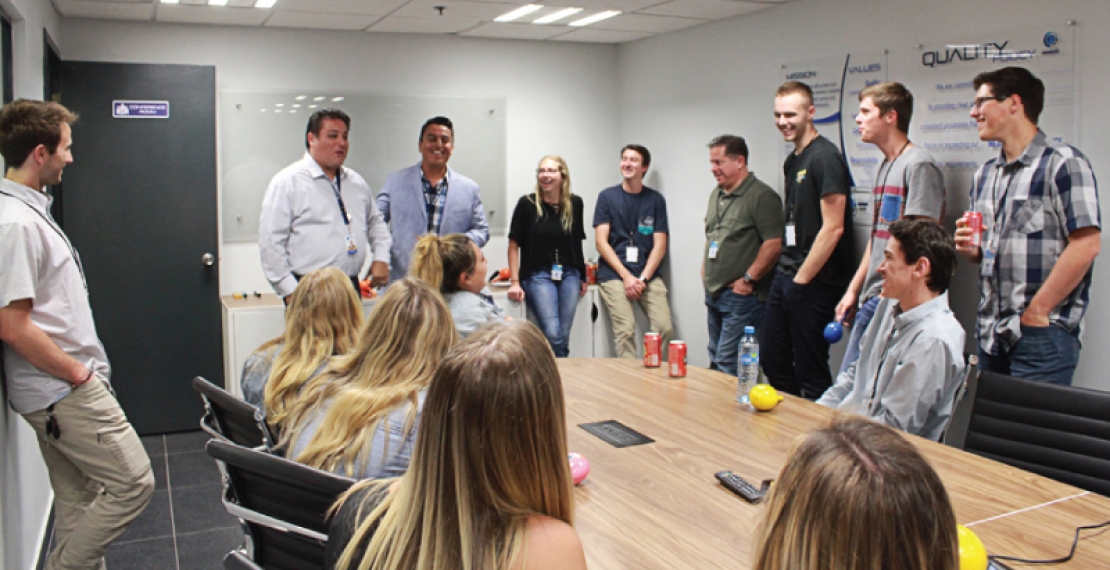
On April 13, 2018, a group of International Business students from Point Loma Nazarene University (PLNU) visited Call Center Services International's Otay Center in Tijuana, Mexico, to learn firsthand about international business, cross-cultural management, marketing, ethics, and the opportunities and challenges involved in operating a U.S.-Mexico nearshore business.
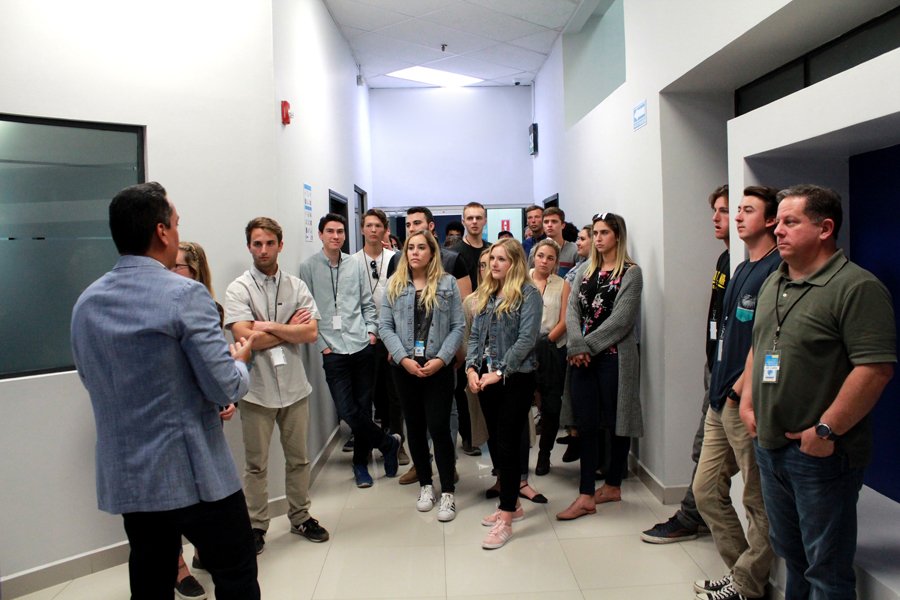
A group of 27 International Business students from Point Loma Nazarene University visited the Call Center Services International Otay Center in Tijuana on Friday, April 13, 2018.
The visit gave the students an opportunity to see an international business operation firsthand while learning about cross-border business, management, marketing, cultural differences, workforce development, and business ethics.
CCSI's Otay operation is located within Tijuana's International Business Park near the U.S.-Mexico border. Its location makes it a particularly useful example of the close economic and operational relationship between Tijuana and Southern California.
Jose Erick Esparza, who served as President of Call Center Services International at the time, welcomed the students and provided a tour of the facility.
During the visit, he explained CCSI's nearshore business model and how U.S. companies can establish operations in Mexico while remaining closely connected to their existing management teams, processes, systems, training, and performance requirements.
The students learned about several of the advantages of nearshore contact center operations, including:
Tijuana provides a particularly strong example of this model because its location directly adjacent to San Diego allows companies to maintain close physical and operational access to their Mexico teams.
Companies evaluating the region can learn more about the workforce, infrastructure, proximity, and other advantages of establishing a contact center in Tijuana.
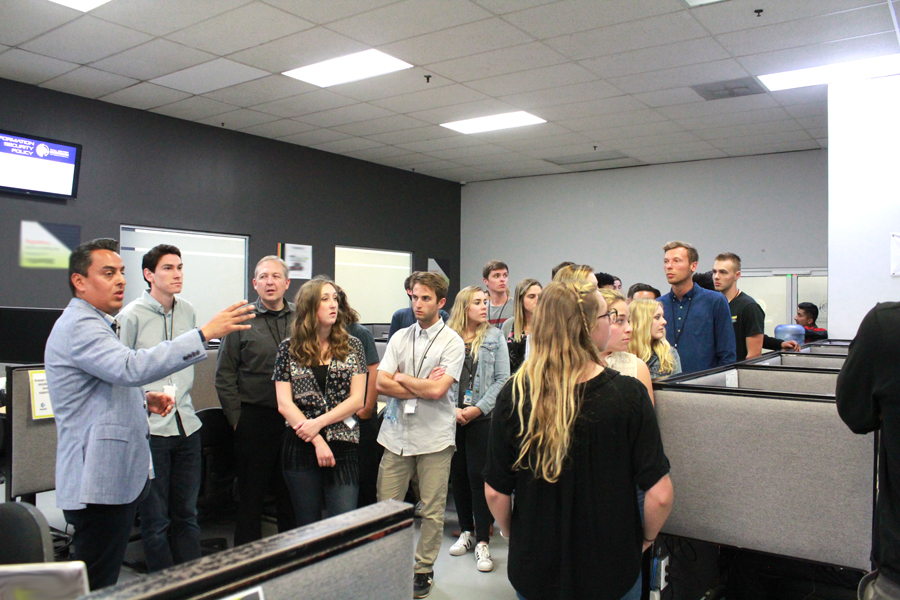
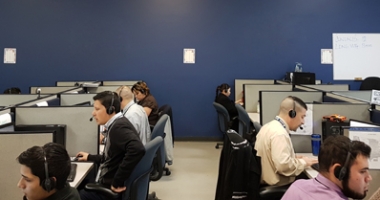
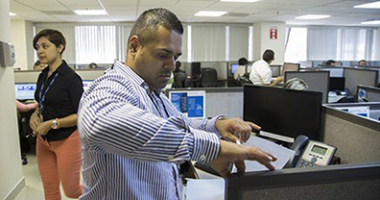
Following the introduction, the PLNU students toured different areas of the CCSI Otay facility and learned how a large nearshore operation supports U.S. clients.
Students visited active operational areas and were introduced to some of the business processes CCSI teams supported for clients at the time, including debt collection, order processing, and loan servicing.
Today, CCSI's broader nearshore call center services include customer service, debt collection, loan servicing, sales and lead generation, technical support, Quality Assurance, IT services, software development, and other business processes.
The visit was not limited to showing students what type of work was performed. An important part of the discussion was explaining how CCSI works with clients to establish and manage nearshore teams in Mexico.
Rather than requiring companies to completely replace the systems and processes they already use in the United States, CCSI's model allows organizations to integrate their own operational standards into their Mexico teams.
That concept is reflected in CCSI's current Turnkey Nearshore Contact Center Program, where clients can maintain control over training, technology, processes, quality standards, and day-to-day business requirements while CCSI provides the local operating infrastructure and support in Mexico.
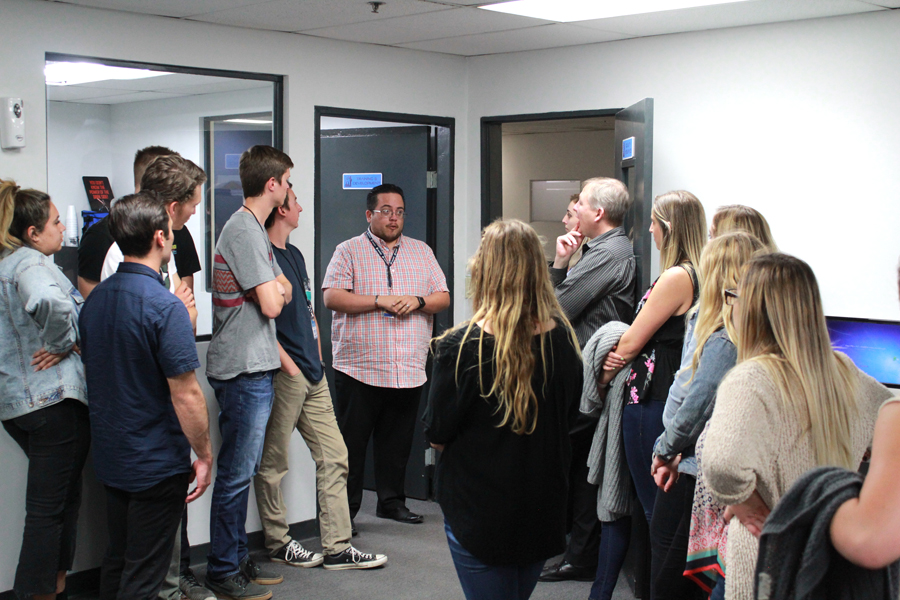
The group also visited areas including the employee breakroom, training rooms, and Quality Assurance department.
These support areas demonstrated that a contact center operation involves significantly more than agents answering customer interactions.
Training helps employees understand client products, processes, systems, communication standards, and performance expectations, while Quality Assurance and Call Monitoring help organizations measure performance and identify opportunities for coaching and continuous improvement.
The students also had opportunities to speak with supervisors and instructors and gain a better understanding of how teams are managed inside a professional contact center environment.
Another important part of the visit was learning about the workforce that supports the nearshore industry in Baja California.
Tijuana's proximity to the United States has contributed to the development of a large recruitment market for people with English-language skills and familiarity with North American culture.
This combination of language capability and cultural familiarity helps create the bilingual and bicultural workforce that U.S. companies can use for customer-facing and business support operations.
Students were able to see that international business is not limited to importing and exporting products. Cross-border business can also involve people, technology, customer service, financial services, IT, software development, and business process operations.
The visit concluded with a question-and-answer session where Frank Esparza, who served as CCSI's Vice President of Sales and Marketing at the time, joined the discussion.
Students had the opportunity to ask questions about international business, nearshore operations, management, marketing, cross-cultural communication, and professional development.
The experience gave the group an opportunity to connect concepts discussed in the classroom with an operating company conducting business across the U.S.-Mexico border.
It also demonstrated why the Baja California region has become an important part of the broader nearshore business environment in Mexico.
Visits like this provide students with an opportunity to see how international business concepts operate outside the classroom.
A nearshore contact center involves many of the same issues studied in international business programs: workforce strategy, cross-cultural management, technology, infrastructure, marketing, regulation, communication, customer experience, leadership, and the economic relationship between countries.
The relationship between Point Loma Nazarene University and CCSI also continued later in 2018, when another group of PLNU International Business students visited the Otay Center for a similar introduction, facility tour, and Q&A session.
For CCSI, these visits provided an opportunity to share practical experience from building and managing nearshore operations in Mexico while connecting with students preparing for careers in international business.
Point Loma Nazarene University (PLNU) is a university based in San Diego, California. Its business programs provide students with opportunities to connect academic study with international and real-world business experience.
The university's international business experiences expose students to differences in culture, ethics, management, and business practices through interaction with organizations and professionals operating in international markets.
Visit Point Loma Nazarene University for current university and program information.
Few locations demonstrate cross-border business as directly as Tijuana.
Its relationship with neighboring San Diego gives students the opportunity to observe how companies coordinate people, management, technology, and business processes between two countries while remaining geographically close.
The same characteristics are valuable to U.S. companies evaluating a nearshore strategy. Organizations can combine the proximity and workforce advantages of Tijuana with CCSI's professional contact center facilities and experienced bilingual and bicultural workforce.
CCSI also provides operations in Mexico City and Guadalajara, allowing companies to compare different recruitment markets, business environments, infrastructure, and workforce characteristics when selecting a location.
Companies can review all three markets through CCSI's Strategic Call Center Locations in Mexico page or explore the individual CCSI facilities available throughout Mexico.
Call Center Services International (CCSI) helps U.S. organizations establish and manage high-performance nearshore contact center and business operations in Mexico.
CCSI provides bilingual and bicultural talent, recruiting, Human Resources, professional facilities, enterprise technology infrastructure, Quality Assurance, Workforce Management, administrative support, and local operational resources.
Through its strategic operations in Tijuana, Mexico City, and Guadalajara, CCSI helps organizations integrate their own processes, technology, training, performance requirements, and customer experience standards into their nearshore teams.
Companies can learn more about CCSI's nearshore services, explore its contact center facilities, review the advantages of establishing an operation in Mexico, or learn how the Turnkey Program helps companies establish integrated Mexico teams.
Explore CCSI's Nearshore Contact Center Facilities
Historical note: This article documents the April 13, 2018 visit of 27 Point Loma Nazarene University International Business students to CCSI's Otay Center in Tijuana. The CCSI leadership titles, participating employees, services discussed, and details of the student visit reflect the organization and event as they existed at that time. The original photographs have been preserved, while the article structure, internal links, and current context have been updated.
Originally published: April 17, 2018
Last reviewed and updated: July 26, 2026



The latest industry insights & news from CCSI, Specialists in Establishing Contact Centers in Mexico for Debt Collection, Customer Service, Sales, BPO and more.