

NEWS & INSIGHTS
The latest industry insights & news from CCSI, Specialists in Establishing Contact Centers in Mexico for Debt Collection, Customer Service, Sales, BPO and more.

NEWS & INSIGHTS
The latest industry insights & news from CCSI, Specialists in Establishing Contact Centers in Mexico for Debt Collection, Customer Service, Sales, BPO and more.
The rapid expansion of remote work transformed traditional Contact Center workforce models and increased employee interest in flexibility and work-life balance. Work-From-Home (WFH), hybrid schedules, and self-scheduling can provide Contact Centers with additional workforce options when they are supported by effective forecasting, technology, management, and operational controls.
A Work-From-Home (WFH) model can provide organizations and employees with additional flexibility while expanding the geographic area from which Contact Centers can recruit talent.
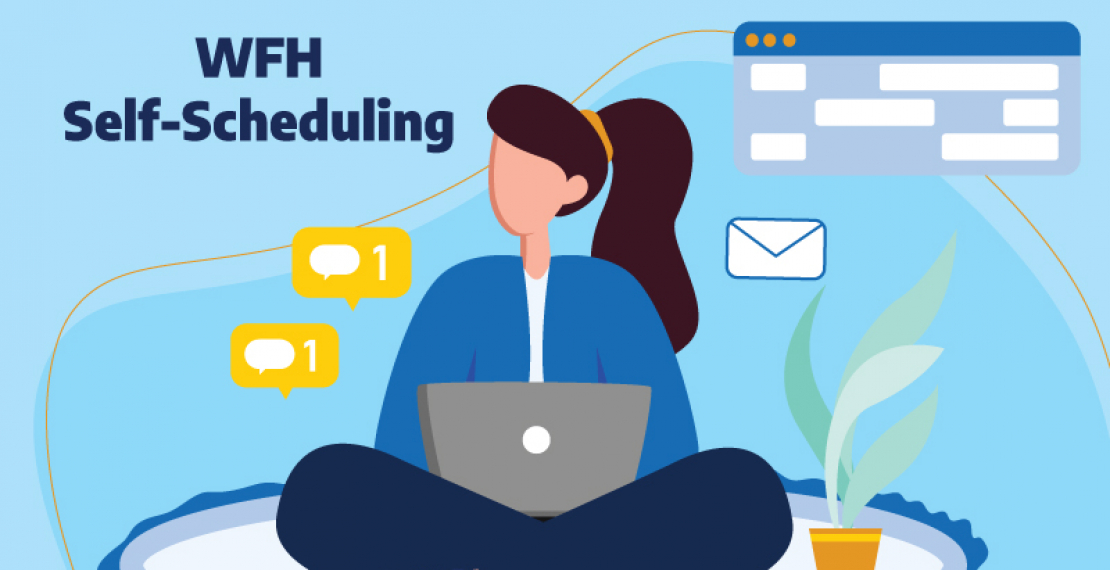
Remote workforce models can include fully remote operations, hybrid teams, fixed remote schedules, or different forms of employee scheduling flexibility. Self-scheduling takes this concept further by allowing agents to select from available shifts or working periods while the Contact Center maintains the staffing coverage required to meet customer demand.
The success of this approach depends on balancing employee flexibility with Workforce Management, forecasting, service-level requirements, technology, security, and performance expectations.
Providing greater scheduling flexibility can make a Contact Center more attractive to employees who need to balance work with family, education, transportation, or other personal responsibilities.
Instead of requiring every employee to follow the same traditional schedule, organizations may be able to offer different shifts or allow agents to select from available working periods that correspond with operational demand.
This does not mean agents can work at any time without restrictions. The Contact Center still needs sufficient coverage during periods of customer demand. However, giving employees greater choice within those requirements can create a more flexible workforce model.
Flexible scheduling can also complement a broader employee-focused company culture that considers work-life balance, employee experience, and professional development.
Scheduling flexibility can help employees gain greater control over how work fits into their personal responsibilities. For some agents, this flexibility can contribute to greater satisfaction and engagement.
Self-scheduling may also help address certain attendance or scheduling challenges when employees can select working periods that better match their availability.
However, flexibility by itself does not guarantee stronger attendance, retention, or productivity. Effective management, communication, training, recognition, appropriate workloads, reliable technology, and career opportunities remain important parts of the overall agent engagement strategy.
Organizations considering flexible schedules should therefore view them as one component of the employee experience rather than a complete solution to workforce challenges.
Contact Centers typically operate around measurable objectives, service levels, quality standards, and Key Performance Indicators (KPIs). Scheduling flexibility can be incorporated into this performance-driven environment when expectations are clearly defined and applied fairly.
For example, organizations may choose to provide high-performing agents with additional scheduling preferences or other flexibility as part of an appropriate recognition program.
At the same time, schedule assignments should continue to support customer demand, workload distribution, skills requirements, service levels, and fair treatment across the workforce.
Managers should also continue monitoring results and providing remote employees with the tools and support necessary to remain productive. CCSI's guide to keeping Work-From-Home agents productive discusses several of these operational considerations.
Contact Center staffing requirements are typically based on forecasts of customer interaction volume. Historical data, seasonal patterns, service-level objectives, operating hours, and current trends can help Workforce Management teams determine when additional or reduced staffing may be required.
Self-scheduling can then operate within those staffing requirements. Instead of allowing unrestricted scheduling, managers can make specific shifts or time periods available according to forecasted demand and allow eligible employees to select among those options.
For example, if a forecast identifies additional staffing requirements during particular morning or evening periods, those shifts can be opened for employee selection while lower-demand periods remain limited.
This allows organizations to combine employee flexibility with the operational discipline of Workforce Management forecasting and scheduling.
Work-From-Home and flexible scheduling have expanded the workforce options available to Contact Centers, but successful implementation requires a balance between employee preferences and customer demand.
Agents may benefit from greater scheduling flexibility and reduced commuting requirements, while organizations may gain access to broader recruiting markets and additional workforce options. At the same time, managers still need to maintain appropriate staffing, service levels, security, communication, training, and performance oversight.
Self-scheduling works best when it operates within a structured Workforce Management strategy. Rather than eliminating scheduling requirements, it gives employees greater choice within the staffing framework established by the organization.
Call Center Services International (CCSI) helps U.S. organizations establish and manage Nearshore Contact Center operations in Mexico through professional facilities and flexible Work-From-Home Contact Center solutions.
CCSI's remote workforce model combines professional bilingual and bicultural agents with recruiting, training, Workforce Management, operational controls, security measures, and real-time performance monitoring designed to support distributed Contact Center teams.
Organizations can use remote, facility-based, or flexible workforce models according to their operational requirements while maintaining close alignment with customer service objectives, performance expectations, and their U.S. operations.
Historical note: First published in September 2022, this article has been reviewed and updated while preserving its original focus on four potential advantages of Work-From-Home and self-scheduling models: employer attractiveness, employee engagement, performance culture, and workforce scheduling. Statements that originally presented self-scheduling as automatically improving attendance, retention, productivity, or forecasting have been refined to reflect that results depend on Workforce Management, operational requirements, technology, management, and the way scheduling flexibility is implemented.
Originally published: September 3, 2022
Last reviewed and updated: July 26, 2026



The latest industry insights & news from CCSI, Specialists in Establishing Contact Centers in Mexico for Debt Collection, Customer Service, Sales, BPO and more.