

NEWS & INSIGHTS
The latest industry insights & news from CCSI, Specialists in Establishing Contact Centers in Mexico for Debt Collection, Customer Service, Sales, BPO and more.

NEWS & INSIGHTS
The latest industry insights & news from CCSI, Specialists in Establishing Contact Centers in Mexico for Debt Collection, Customer Service, Sales, BPO and more.
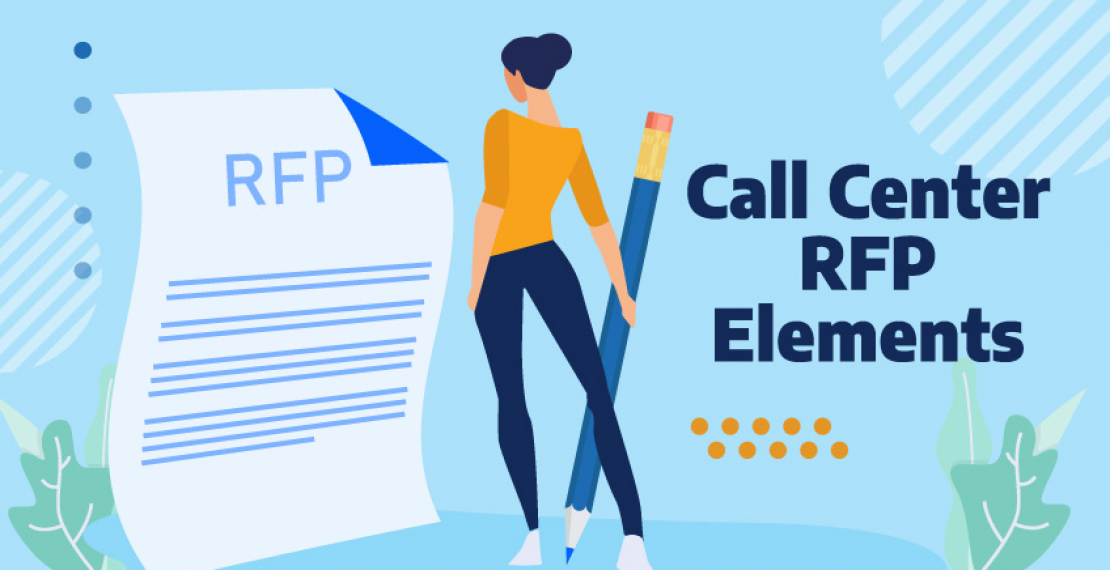
A Request for Proposal (RFP) can be an extremely useful tool when selecting an outsourcing Contact Center provider. Choosing the right partner requires evaluating much more than price. An effective RFP can help determine whether a potential provider meets your requirements for workforce, technology, performance, company culture, compliance, security, and long-term operational support.
An RFP can help you determine whether an outsourcing partner fits your culture, operational requirements, technology needs, compliance and security expectations, and other factors that can influence the success of the relationship.
Preparing an RFP for an outsourcing vendor-selection process can be time-consuming. Downloading a generic template may provide a starting point, but the questions should ultimately reflect the specific requirements, priorities, processes, and risks associated with your Contact Center operation.
Start by gathering general information about the Contact Center services provider. This section of the RFP can include questions about the company's history, mission, vision, values, organizational structure, years of experience, areas of expertise, and management team.
This information can help you determine whether the provider has the experience required for your project, whether its organizational priorities are compatible with yours, and whether its company culture aligns with the type of long-term partnership you want to establish.
You may also want to ask about the company's existing operations, growth plans, industries served, management structure, and experience supporting organizations with requirements similar to yours.
Contact Center agents are one of the provider's most important assets. For this reason, your RFP should examine how the company recruits, selects, trains, develops, and retains its workforce.
Ask about the recruiting process, candidate requirements, language assessments, skill evaluations, background screening when applicable, onboarding procedures, initial training, and ongoing development programs.
Employee engagement should also be considered. Ask how the provider motivates employees, recognizes performance, supports professional development, creates career opportunities, and manages employee retention.
Ultimately, these agents will become an extension of your operation. Understanding how the provider develops and manages its Contact Center workforce can therefore be an important part of the selection process.
Performance measurement, processes, and reporting are part of the daily operation of a successful Contact Center. Whether your objective is to improve customer experience, increase productivity, reduce operating costs, or achieve specific service levels, you need visibility into whether the outsourced operation is meeting its goals.
Ask potential providers how they measure Key Performance Indicators (KPIs), what reporting will be available, how frequently results will be reviewed, and what processes are used when performance falls below established expectations.
Your RFP can also include questions regarding Quality Assurance and Call Monitoring, scorecards, interaction evaluations, coaching, compliance monitoring, reporting, and continuous improvement.
The objective is to understand not only how performance is measured, but also what actions the provider takes to identify problems and improve results.
Technology plays an important role in implementation, integration, communication, security, and Contact Center performance. Before selecting a provider, determine whether its infrastructure can support the technology required for your operation.
Depending on your requirements, technology-related questions may cover:
Include your IT team in the RFP process when appropriate so that technical requirements can be clearly defined before a provider is selected.
Compliance and information security should be included in any BPO RFP when the outsourced operation will access customer information, business systems, payment information, healthcare information, financial records, or other sensitive data.
Ask providers which certifications, audits, security frameworks, and regulatory requirements apply to their operations. Depending on your industry and the information being processed, relevant considerations may include SOC 2, ISO/IEC 27001, PCI DSS requirements, HIPAA compliance, and other industry-specific obligations.
The RFP should also examine practical security controls, including:
CCSI's current Cybersecurity Certifications & Compliance page provides an example of the security frameworks and operational controls that organizations can review when evaluating a Nearshore Contact Center provider.
Understanding the complete pricing structure before the operation begins can help prevent unexpected costs later in the relationship.
Ask what is included in the proposed rate, which expenses may be billed separately, and how pricing could change as the operation grows or its requirements evolve.
Your RFP should also consider your long-term plans. For example, you may eventually need additional agents, new technology, a different hiring profile, additional facilities, remote or hybrid workforce options, or other operational changes.
Depending on your requirements, questions may include:
Review the provider's pricing structure carefully and compare the complete operating model rather than evaluating providers solely by the lowest hourly rate.
Once these six sections are included, the next step is to develop the specific questions that will help identify which outsourcing Contact Center provider best fits your business needs.
Remember that an RFP should address your actual operation. Avoid adding questions simply because they appear in a generic template. Instead, focus on information that will genuinely help your team compare providers, identify potential risks, and make a more informed decision.
Using the same core questions for each vendor can also make it easier to compare responses involving company culture, workforce capabilities, technology, performance, security, and pricing.
Call Center Services International (CCSI) helps U.S. organizations establish and manage Nearshore Contact Center operations in Mexico. CCSI combines professional bilingual and bicultural agents with recruiting, training, Workforce Management, technology infrastructure, and operational support.
CCSI supports organizations evaluating outsourcing partners with flexible Nearshore Contact Center models designed around workforce size, infrastructure requirements, technology, operational control, and long-term business objectives.
Operations are supported by Quality Assurance and Call Monitoring, professional infrastructure, employee development, and a comprehensive cybersecurity and compliance framework.
Historical note: First published in July 2022, this article has been reviewed and updated while preserving its original six-part framework for building a Contact Center outsourcing RFP: company profile; agent hiring, training and engagement; performance, reporting and Quality Assurance; technology; compliance and security; and pricing. Security terminology, internal resources, and examples have been updated where appropriate while maintaining the article's original purpose and structure.
Originally published: July 25, 2022
Last reviewed and updated: July 26, 2026



The latest industry insights & news from CCSI, Specialists in Establishing Contact Centers in Mexico for Debt Collection, Customer Service, Sales, BPO and more.